
Diffuser Technology Guide


Essential oil diffusers are not all built the same. Some rely on water-based mist, while others use waterless cold-air technology to disperse pure oil into the air. The technology you choose affects scent strength, consistency, maintenance, and performance in different environments.
This guide explains the major diffuser technologies in simple terms and links to deeper articles for anyone who wants to learn more.
Diffuser Types at a Glance
Water-Based (Ultrasonic) Diffusers
These mix water and essential oil, then use vibration to produce an aromatic mist.
Waterless (Oil-Based / Nebulizing) Diffusers
These atomize pure oil into micro-particles without water or heat, producing a more concentrated scent experience.
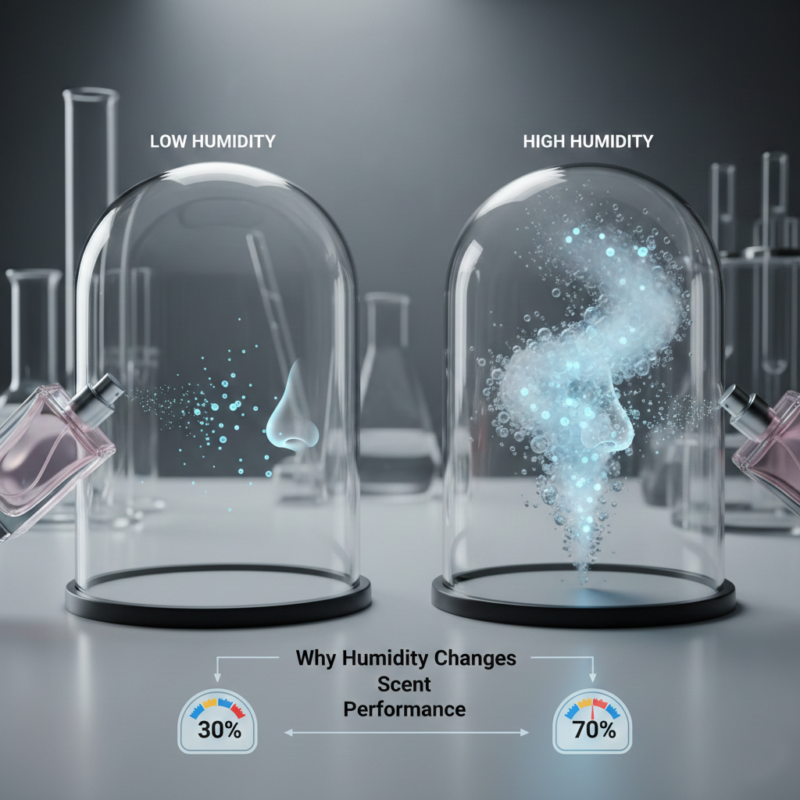
Why Humidity Changes Scent Performance
Many people notice diffusers smelling weaker during humid seasons, in bathrooms, or in coastal climates. Humidity affects evaporation, mist behavior, and how fragrance disperses in the air — especially for water-based systems.
Cold-Air Nebulizing Technology Explained
Cold-air nebulizing systems do not use water or heat. Instead, they use airflow-based atomization to transform pure essential oil into microscopic particles. This technology is often used in premium scenting environments due to its consistency and controlled fragrance output.

Why Luxury Hotels Prefer Waterless Diffusion
Many luxury hotels use signature scents to create a consistent guest experience. Waterless diffusion systems provide stable scent intensity, better coverage, and a refined scent profile — which is why they are common in hospitality scent branding.
How to Choose the Right Diffuser for Your Space
1- For Bathrooms & Humid Environments
Bathrooms, laundry rooms, and moisture-prone areas present a unique challenge for fragrance diffusion. These spaces often experience higher humidity levels, limited ventilation, and frequent temperature changes.
In humid conditions, water-based ultrasonic diffusers may struggle with consistent scent projection because the air is already saturated with moisture. The mist can evaporate more slowly, resulting in lighter fragrance intensity.
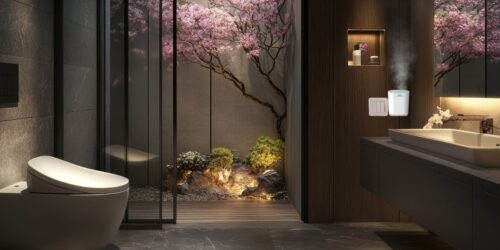
A waterless cold-air diffuser can provide:
Option 1:
More stable scent projection in high humidity
Option 2:
No added moisture to the environment
Option 3:
Cleaner diffusion without condensation concerns
Option 4:
Better odor coverage in enclosed spaces
For bathrooms or coastal climates, waterless diffusion technology typically delivers more consistent performance year-round.
2- For bedrooms & subtle scent
Water-based ultrasonic diffusers can provide gentle aroma and light humidity, especially in drier climates where additional moisture may be beneficial.
However, in more humid environments — or for those who prefer greater scent control — a waterless diffuser with adjustable intensity and timed diffusion can offer a more consistent and customizable fragrance experience without adding extra moisture.

3- For Offices & Professional Environments
In offices, clinics, studios, meeting rooms, and retail environments, scent consistency and control are critical. Fragrance should feel refined and balanced — never overwhelming or uneven.
Waterless diffusion systems are often preferred in professional spaces because they:

Option 1:
Deliver stable, controlled scent output
Option 2:
Allow adjustable intensity levels
Option 3:
Avoid adding humidity to air-conditioned environments
Option 4:
Provide consistent coverage across medium-sized rooms
In business settings, subtle but continuous scent projection creates a more polished and welcoming atmosphere. Cold-air nebulizing systems are commonly used in hospitality and commercial scent branding for this reason.
For professional environments, control and consistency matter more than added moisture.
4- For Cars & Small Enclosed Spaces
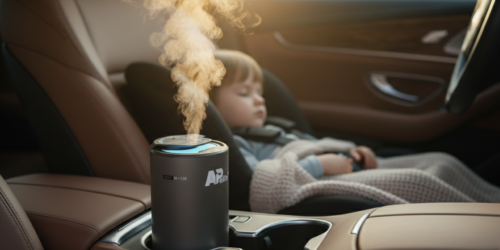
Cars, small studios, and compact rooms require precise fragrance control. Airflow fluctuates, temperature changes rapidly, and space volume is limited.
Effective scenting in small enclosed spaces depends on:
Option 1:
Adjustable intensity settings
Option 2:
Intermittent or timed diffusion
Option 3:
Climate stability (winter vs summer)
Option 4:
Air circulation patterns
In vehicles especially, temperature shifts and airflow impact scent behavior significantly. Choosing a diffuser with controlled output and climate adaptability ensures fragrance remains balanced rather than overpowering.
In compact spaces, smart intensity control is more important than raw diffusion strength.
Quick Decision Guide (Summary)
- Light scent + added humidity: ultrasonic water-based diffuser
- Stronger scent + no humidity: waterless cold-air diffuser
- Consistent “hotel-style” diffusion: cold-air nebulizing technology
Conclusion
Diffuser performance depends on more than essential oil quality. The underlying technology determines scent strength, stability, and how well fragrance disperses across different climates and environments.
Use the articles linked above to explore each topic in depth and choose the best diffusion approach for your home, office, or vehicle.