
Why You Should Switch to a Nebulizing Diffuser


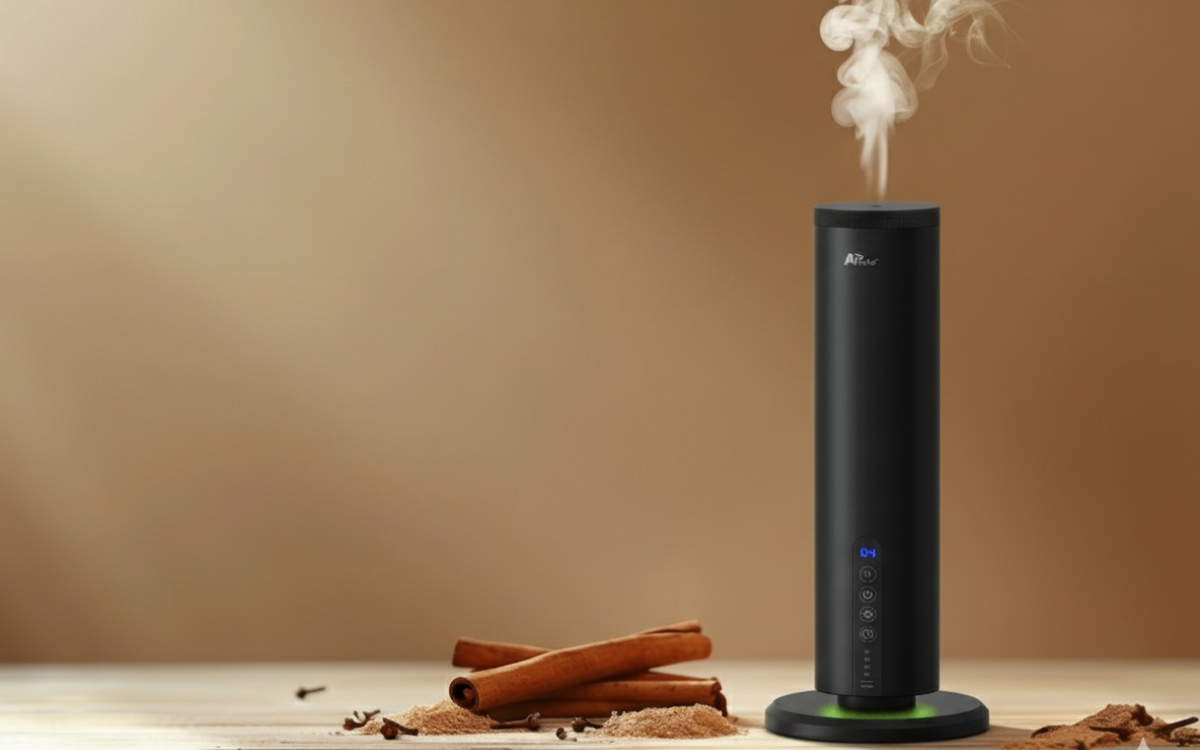
In the world of essential oils, the method of diffusion is just as important as the quality of the oil itself. While there are many ways to scent a room, Nebulizing Diffuser technology is widely regarded by professionals and enthusiasts as the “gold standard.” Unlike traditional methods that rely on water or heat, nebulizers offer a pure, potent, and sophisticated way to experience the benefits of aromatherapy.
Considerations and Limitations
• Oil Consumption: Because they atomize pure oil, they consume bottles faster than water-based units.
• Upfront Cost: Due to the precision glass or metal parts and the internal pump, they generally have a higher purchase price.
• Intensity: The scent can be overwhelming in tiny rooms, so using built-in timers and cycling (e.g., 5 minutes on, 10 minutes off) is highly recommended.
How the Technology Works: The Science of Atomization
The secret behind a nebulizing diffuser’s performance lies in fluid dynamics—specifically Bernoulli’s Principle. The process involves several precise steps:
Pressurization
A small internal pump forces a stream of pressurized air through a tiny nozzle or orifice.
Suction
As the air speeds up through this restriction, it creates a low-pressure zone. This vacuum effect pulls pure essential oil up from the reservoir.
Atomization
When the high-velocity air meets the oil, it "shears" the liquid into microscopic droplets.
Distribution
This results in a fine, "dry" aerosol of undiluted oil that is pushed out into the room. Because the particles are so small, they remain suspended in the air longer than heavier, water-based mists.
Key Characteristics and Advantages
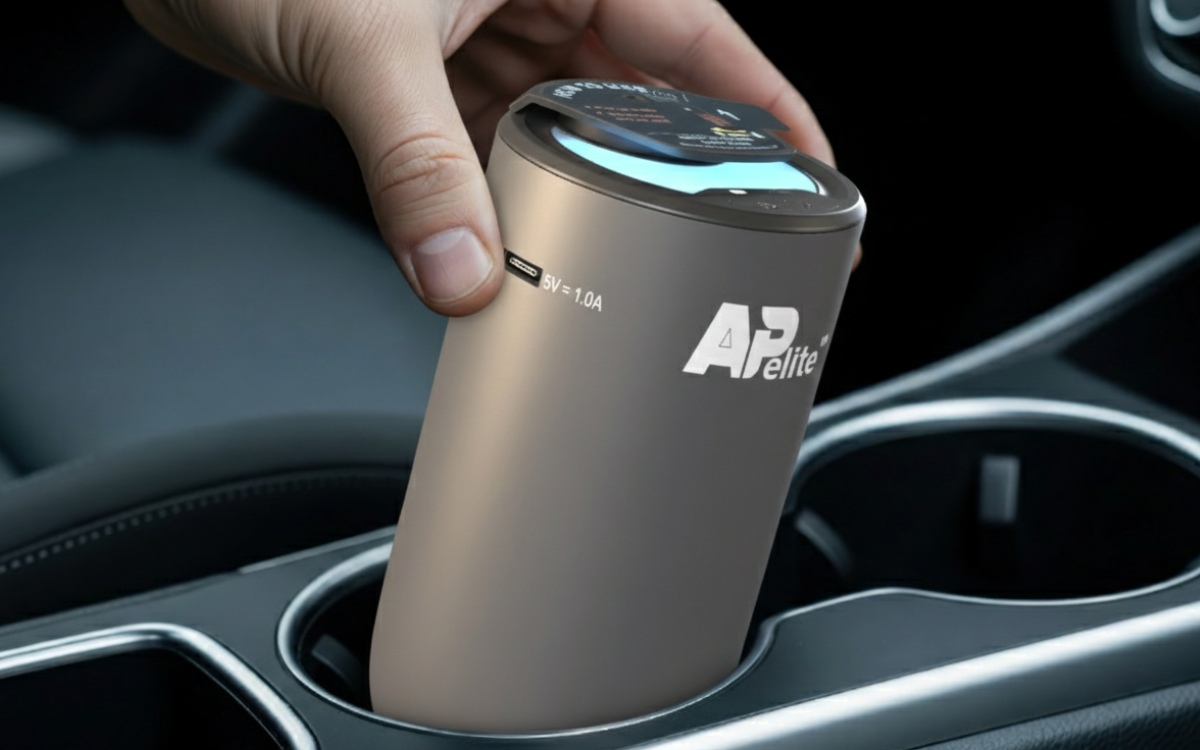
The primary appeal of a nebulizer is its purity. Because it uses no water and no heat, the chemical integrity of the essential oil remains intact. Heat can thermally degrade delicate aromatic compounds, and water dilutes the scent. With a nebulizer, you get the oil exactly as nature intended.
Why Choose a Nebulizer?
• Concentrated Aroma: It provides a much stronger and faster scent output compared to other diffusers.
• Therapeutic Potency: It is ideal for clinical or therapeutic applications where high concentrations of oil compounds are required.
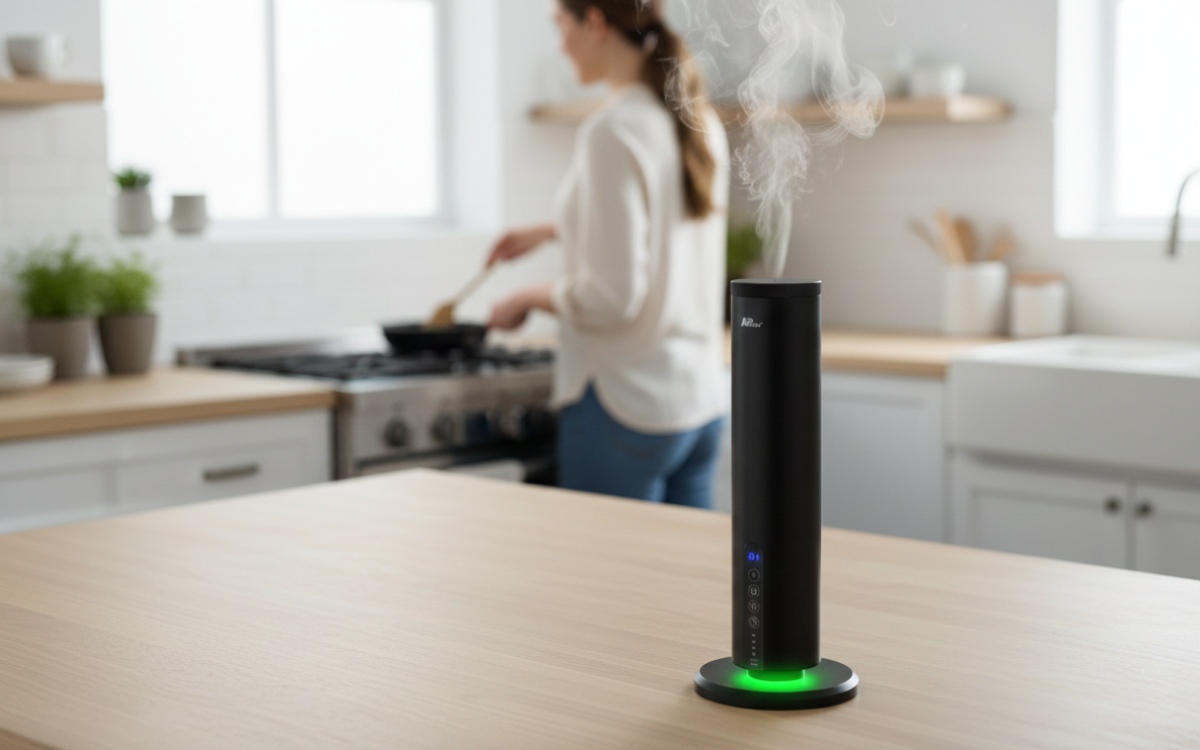
• Large Coverage: Nebulizers can scent large open spaces quickly and efficiently.
• No Humidity: Since it produces a dry mist, it doesn’t add moisture to the air, eliminating the risk of standing water or mold growth inside the device.
• Low Maintenance: There is no water tank to scrub. Maintenance usually involves a simple periodic rinse with alcohol.
Choosing the Right Technology: Comparisons
When shopping for a diffuser, it is helpful to see how nebulizers stack up against the competition.
Nebulizing vs. Ultrasonic Diffusers
While Ultrasonic diffusers are popular and affordable, they function as small humidifiers, mixing a few drops of oil into a tank of water. Nebulizers, by contrast, use only pure oil. This makes the nebulizer far more intense and better suited for large areas, whereas ultrasonics are better for those who want a gentle, all-day scent and a bit of added humidity.
| Aspect | Nebulizing Diffuser | Ultrasonic Diffuser |
|---|---|---|
| Fluid used | Pure essential oil | Water + a few drops of oil |
| Mechanism | Pressurized air, Bernoulli atomization | Ultrasonic vibration in water |
| Aroma intensity | Strong, concentrated, rapid | Gentle, diluted, gradual |
| Humidifying effect | None (dry mist) | Adds noticeable humidity |
| Oil consumption | High | Low |
| Typical cost | Higher | Lower |
| Best use cases | Large areas, therapeutic sessions, strong bursts | Small–medium rooms, all day gentle scent, added humidity |
Nebulizing vs. Heat Diffusers
Heat diffusers (like candle warmers) are inexpensive but can be less safe due to open flames or hot surfaces. More importantly, heat can alter the therapeutic properties of the oil. Nebulizers preserve the “living” chemistry of the plant, making them the superior choice for serious aromatherapy.
| Aspect | Nebulizing Diffuser | Heat Diffuser |
|---|---|---|
| Mechanism | Cold/pressurized air atomizes pure oil | Candle or electric heat evaporates oil |
| Aroma intensity | Strong, concentrated, therapeutic | Moderate–strong, more like room fragrance |
| Effect on oil | Preserves chemical integrity | Heat may alter or degrade compounds |
| Oil consumption | Higher | Lower |
| Safety | No flame or heat | Fire/burn risk |
| Maintenance | Periodic cleaning of nozzle/chamber | Simple dish cleaning |
| Upfront cost | Higher | Low |
| Best use cases | Therapeutic sessions, strong scent | Budget-friendly ambient fragrance |
Maintenance and Troubleshooting
To keep a nebulizer running perfectly, regular care is essential. The most common issue is a clogged nozzle, often caused by thick or resinous oils like Sandalwood or Patchouli.
- The Alcohol Fix: If you notice no mist or a weak output, soaking the glass components in high proof rubbing alcohol for 30 minutes will usually clear the blockage.
- Pump Health: If the lights are on but no air is moving, you can perform a “pump test” by feeling for airflow at the outlet.
- Preventive Care: Never leave oil sitting in the unit for months. If you aren’t using it, empty the reservoir and run a quick cleaning cycle with alcohol to prevent the oil from oxidizing and hardening.
Common Nebulizing Diffuser Problems and How to Fix Them
-
 No mist at allCauses: Clogged micro-tube, empty bottle, power issue
Fixes:
1- Soak glass parts in high-proof alcohol for 15–30 minutes
2- Refill or reattach the oil bottle
3- Check power or battery charge -
 Weak mist or faint scentCauses: Partial clogging, thick oils, poor room airflow
Fixes:
1- Deep clean the nozzle
2- Avoid thick resins unless blended
3- Use fresh oils
4- Close windows and vents -
 Mist visible but scent fades quicklyCauses: Low-quality oil, large or drafty space
Fixes:
1- Try a different oil brand
2- Move diffuser closer
3- Use interval modes -
 Weak airflowCauses: Failing pump or internal blockage
Fixes:
1- Perform a pump airflow test
2- Contact manufacturer if airflow is low -
 Device won’t power onCauses: Power adapter, outlet, internal electronics
Fixes:
1- Check connections
2- Try a different outlet
3- Hold power button longer
4- Contact manufacturer if unresponsive -
 Preventive Care1- Run periodic alcohol cleaning cycles
2- Store oils away from heat and sunlight
3- Don’t leave oil sitting unused for months
How to Choose the Right Diffuser
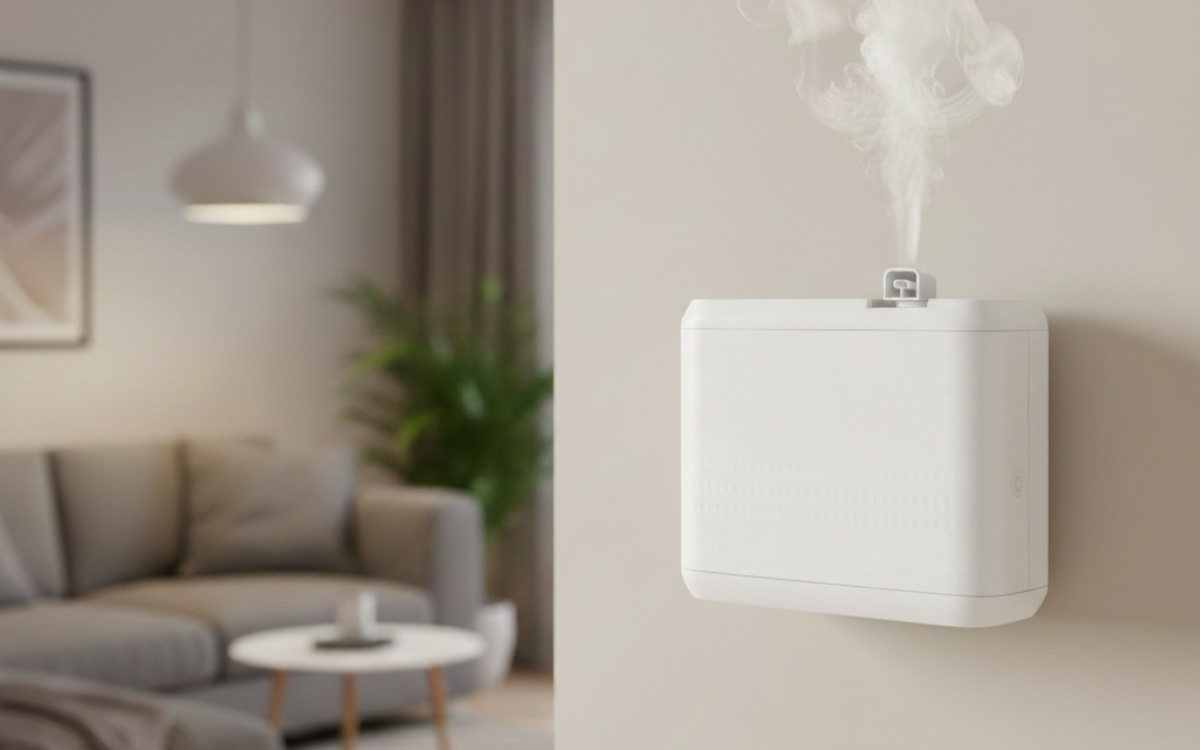
Choose a nebulizing diffuser if you want:
• Maximum therapeutic effect
• Strong, pure aroma without heat
• Fast scenting of medium to large spaces
Choose a heat diffuser if you want:
• A simple, inexpensive way to fragrance a room
• A decorative or ambient scenting option
• Minimal maintenance and low oil use
Final Verdict
A nebulizing diffuser is an investment in quality. If your priority is maximum therapeutic effect, a strong and pure aroma, and a device that requires no water management, the nebulizer is the perfect fit. Whether you are clearing the air in a large living room or seeking the deep benefits of a specific oil blend, nebulizing technology delivers the most authentic aromatherapy experience available today.